 ®
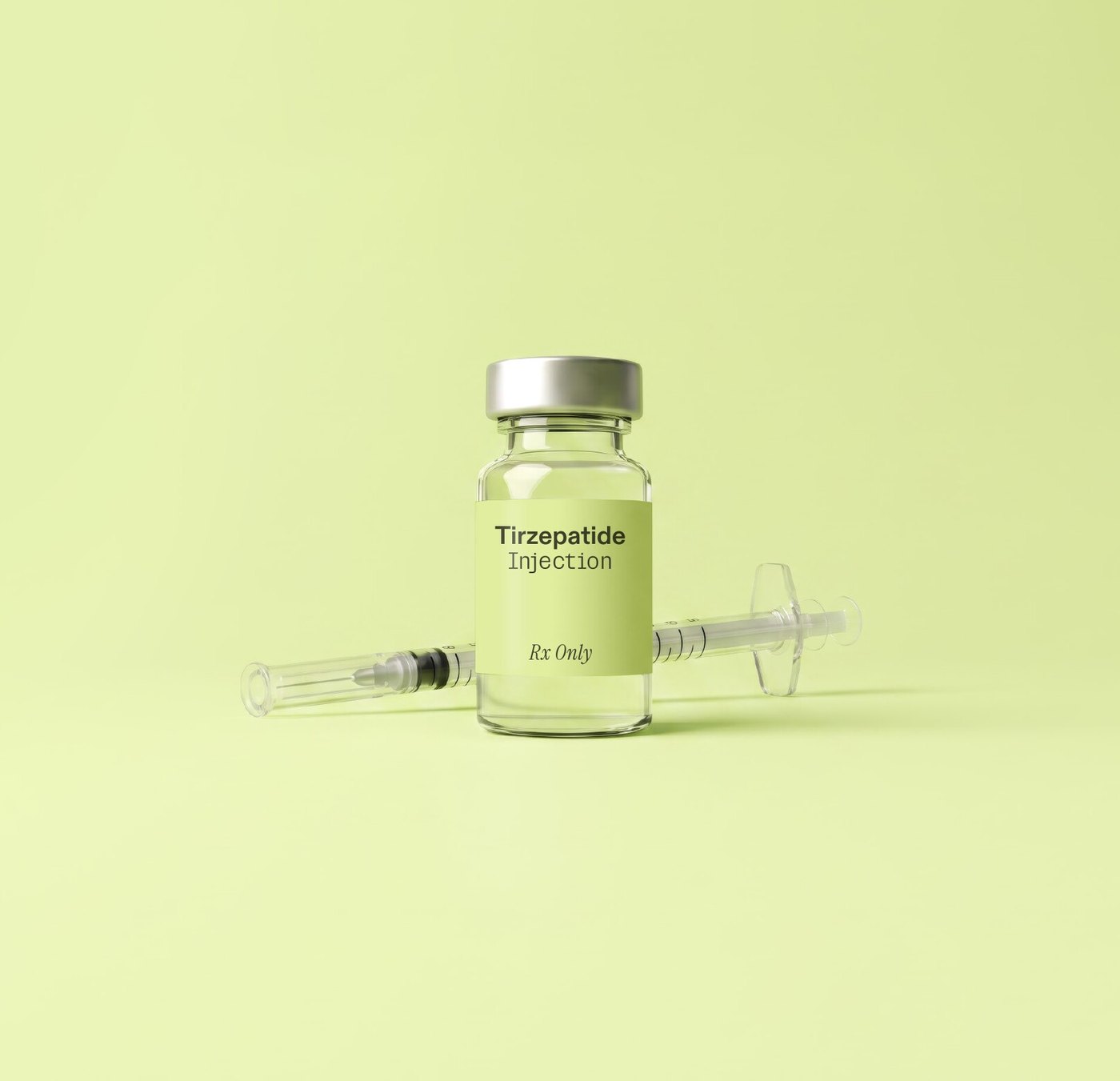
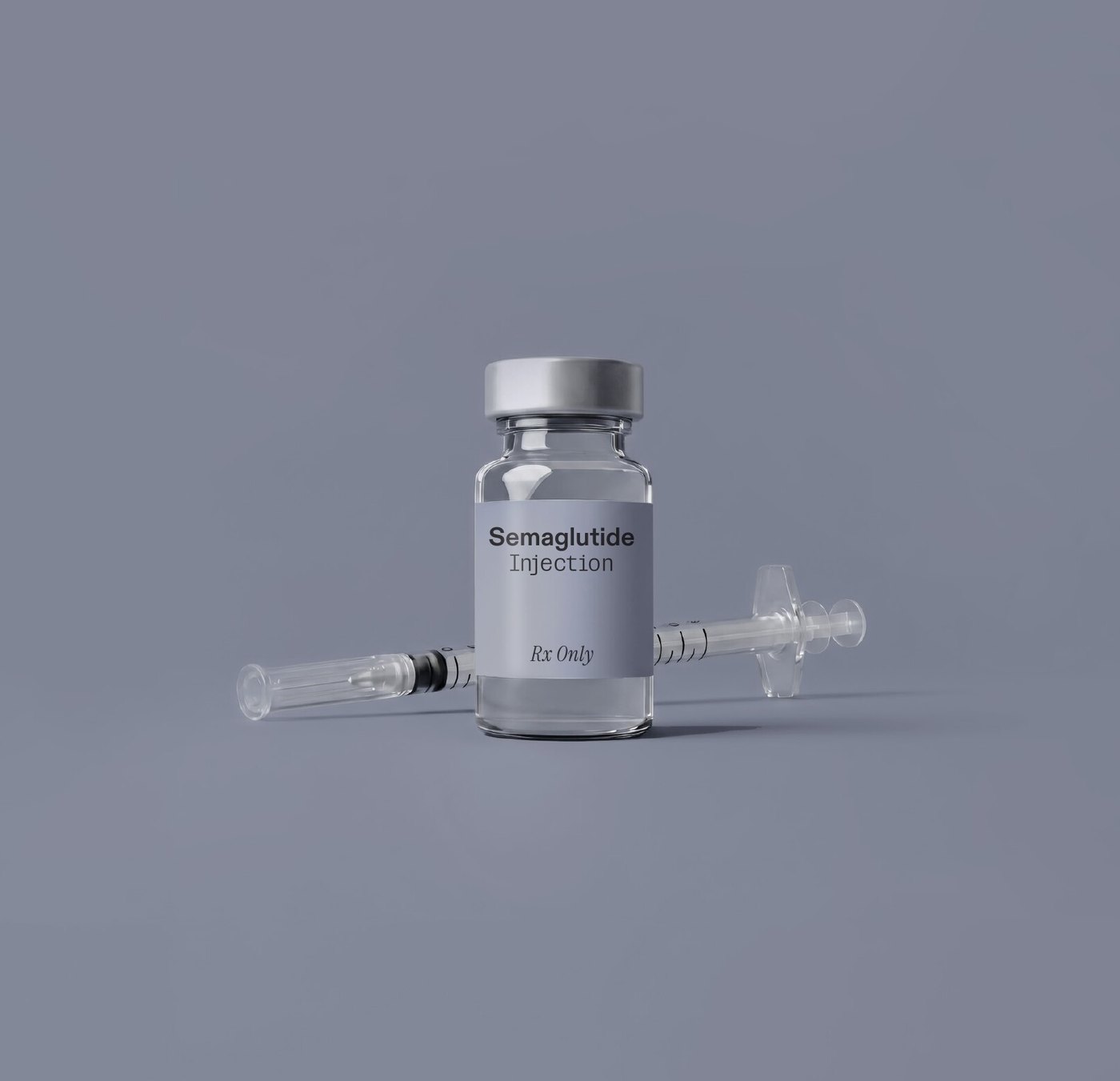
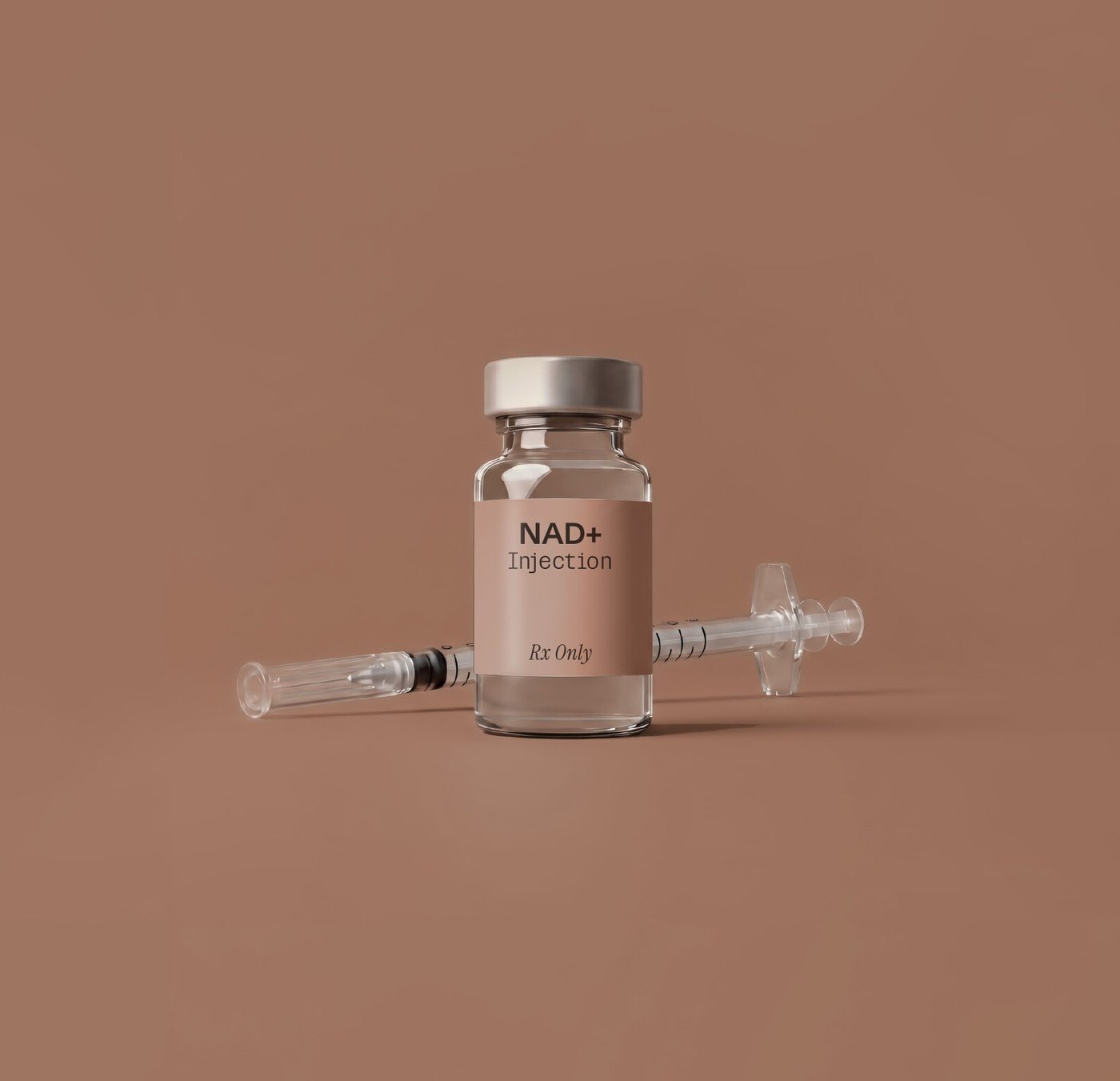
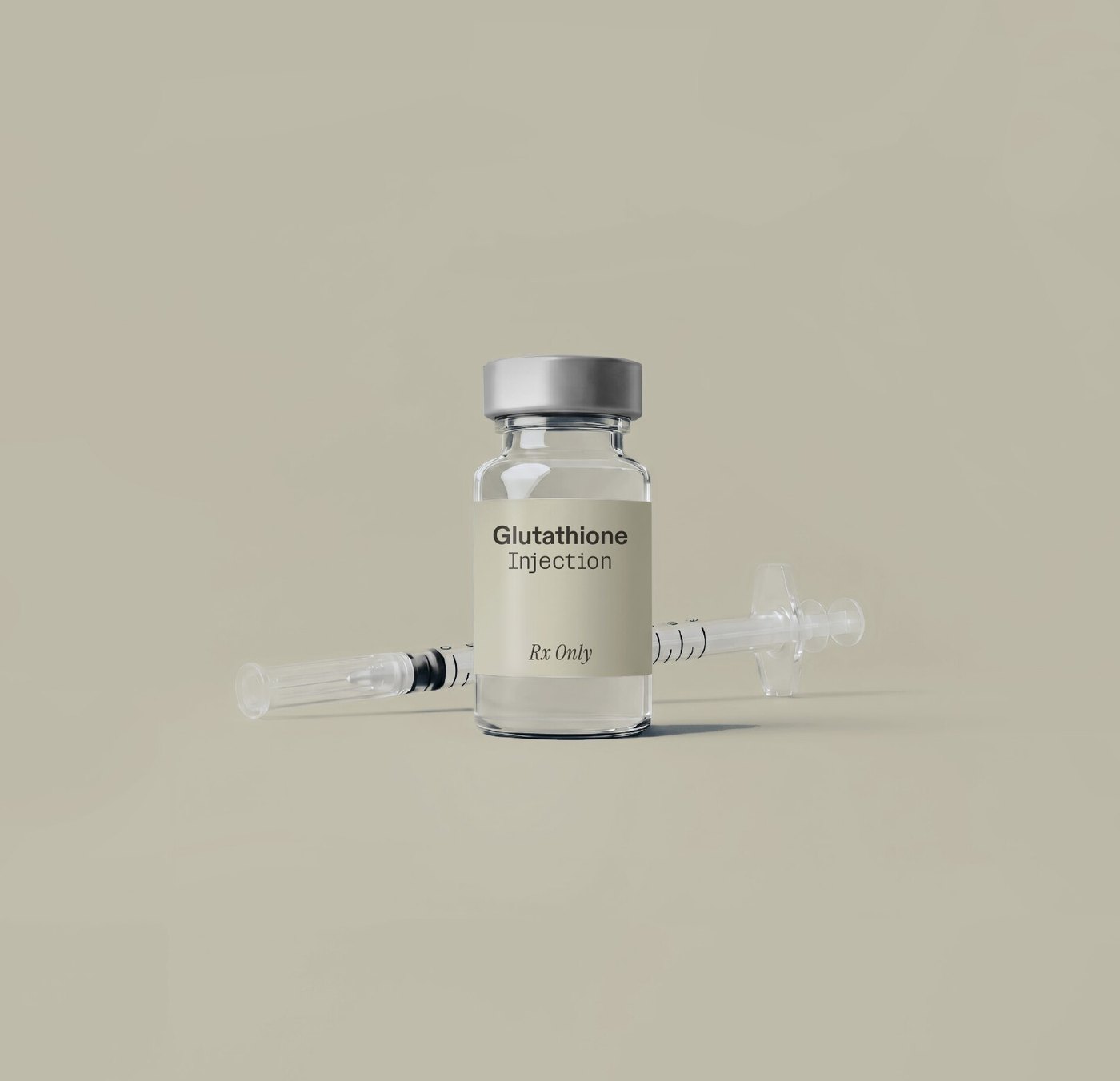
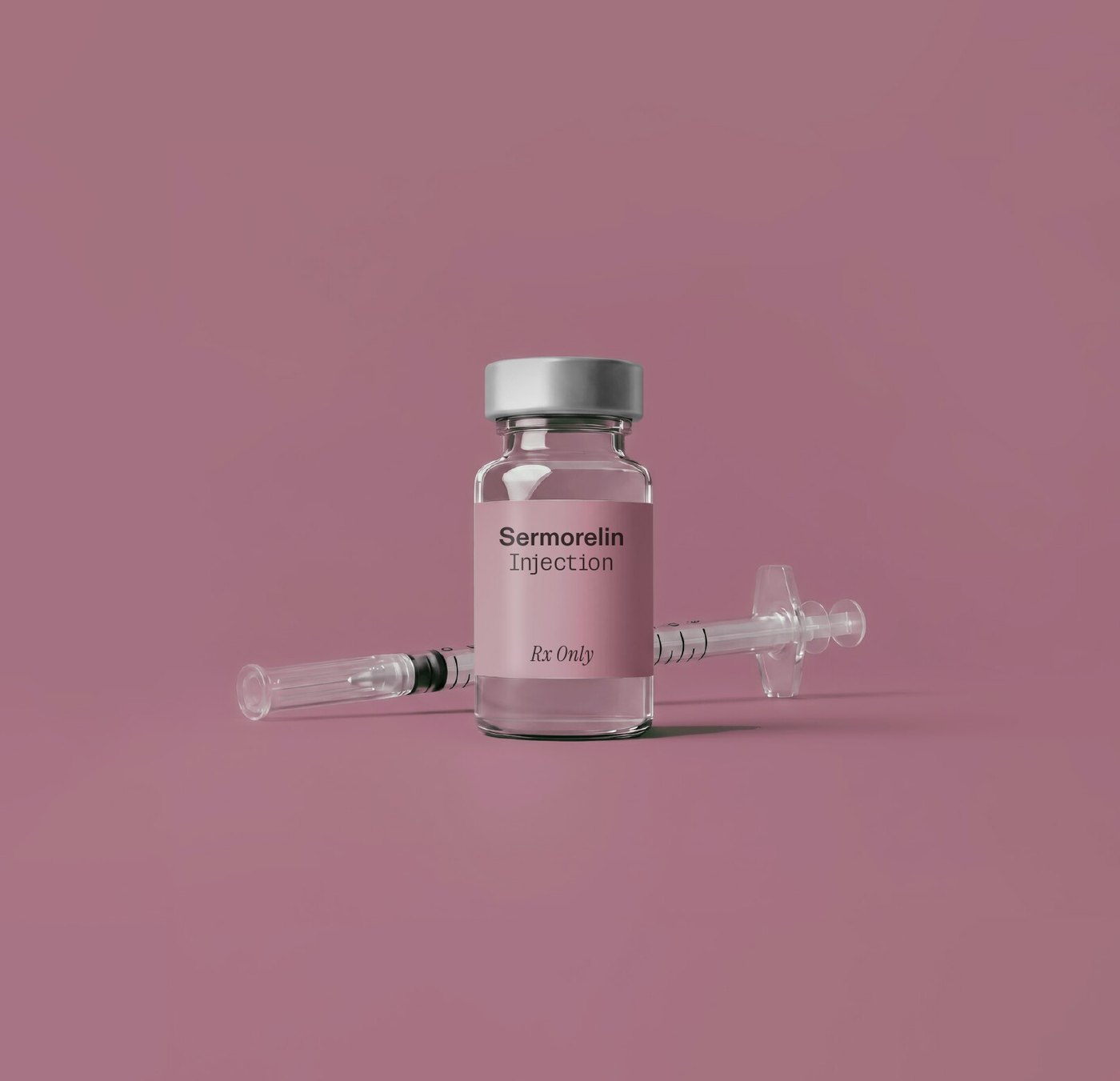
State-Licensed U.S. Pharmacies
Dispensed exclusively by state-licensed compounding pharmacies in the United States — never overseas, never gray-market.

Every Rūl therapy is prescription-only, reviewed by a licensed U.S. provider, and dispensed exclusively by state-licensed compounding pharmacies in the United States, and never sold as “research use only.”
The peptide market is full of “research use only” powders sold with a disclaimer that they’re not for human consumption — no prescription, no provider, no accountability. Rūl is the opposite of that. Every product we offer is a prescription written by a licensed U.S. provider and filled by a state-licensed compounding pharmacy for a specific patient. If it can’t be prescribed and dispensed the right way, we don’t sell it.
A compounding pharmacy is licensed by its state board of pharmacy and prepares patient-specific medications against a valid prescription. Ours compound under Section 503A of the Federal Food, Drug, and Cosmetic Act — the federal provision that governs patient-specific compounding. Section 503A is a compounding framework, not a pharmacy licence; the licence comes from the state.
Compounding under USP standards (including USP <795> and <797> for sterile preparations) means real pharmacists, real oversight, and real accountability — the opposite of an unregulated “research” supplier shipping powder with no prescription.
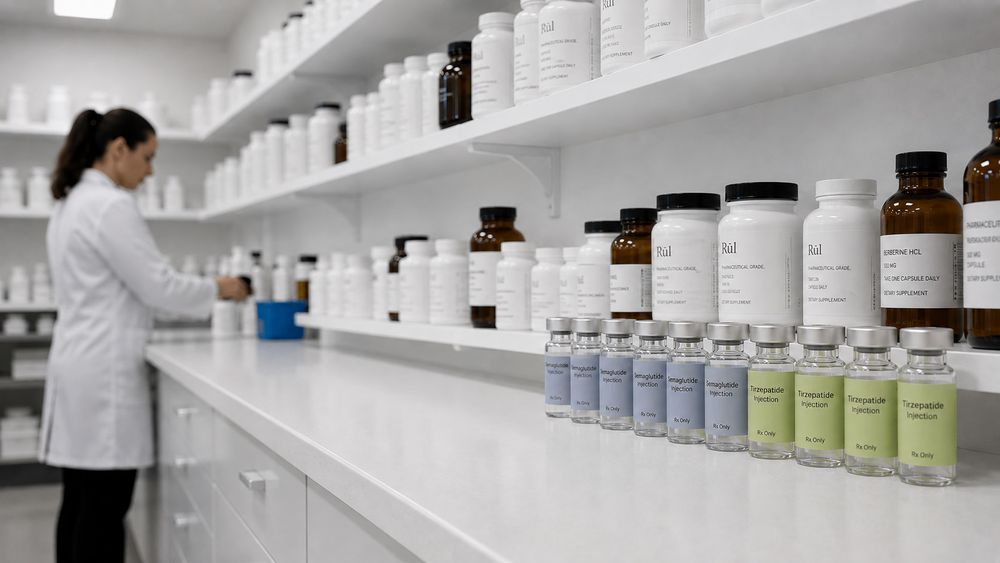
Dispensed exclusively by state-licensed compounding pharmacies in the United States — never overseas, never gray-market.
Provider-prescribed after a real medical evaluation. We do not sell research-use-only (RUO) products — every therapy is for human use.
A licensed provider reviews every intake and every protocol. No automated approvals, no rubber-stamps.
Compounded in American pharmacies under USP standards, using active ingredients from FDA-registered facilities.
Cold-packed and shipped direct to your door so your medication arrives stable and full-potency.

Peptides are short chains of amino acids — the same building blocks that make up proteins — joined by peptide bonds. Biochemists generally use a length of roughly 2 to 50 amino acids to separate a peptide from a protein.
Your body makes them constantly. Insulin is a 51-amino-acid peptide hormone. Oxytocin and vasopressin are nine amino acids each. GLP-1 — the gut hormone that semaglutide and tirzepatide are modeled on — is a naturally occurring peptide too.
That is the useful thing about them: peptides are signals, so a peptide therapy is designed to work through a pathway your body already uses rather than override it.
Source: NIH StatPearls — Biochemistry, Peptide, NHGRI — Peptide
Compounded peptide medications may be considered for adults who complete a medical evaluation with a licensed healthcare provider. Eligibility depends on the specific medication, the patient’s health history, treatment needs, potential risks, and available alternatives.
Compounded medications are not appropriate for everyone and should never be used without a valid prescription and clinical supervision. A licensed healthcare provider will determine whether a particular treatment is medically appropriate.
Four steps. You complete a free online assessment covering your health history, current medications and goals. A licensed physician reviews it and determines whether treatment is appropriate. If it is, your prescription is filled by a state-licensed U.S. compounding pharmacy and shipped cold-packed to your door. You keep access to your care team for check-ins and questions.
We want to be straightforward about one thing: compounded medications are not FDA-approved. FDA does not review compounded drugs for safety, effectiveness or quality before they are marketed, and its position is that they should be used by patients whose medical needs cannot be met by an FDA-approved drug. Your provider will go through this with you before anything is prescribed.
Source: FDA — Compounding and the FDA: Questions and Answers
No. Rūl is cash-pay. There is no membership fee, and no insurance is required.
Insurance coverage for compounded medications is inconsistent at best — it depends entirely on your plan, usually turns on medical necessity, and is often denied when an FDA-approved alternative is commercially available. Medicare Part D covers compounded drugs only in narrow circumstances. Most patients pay out of pocket, which is why our pricing is published in full: a $30 provider fee and $35 shipping per order, with no hidden costs.
Telemedicine services are provided through our provider group, Asher Health (joinasher.com). All clinical decisions and prescribing are the sole responsibility of the treating providers. Pharmacy relationships and prescription fulfillment arrangements are managed by Asher Health.
All fifty. Rūl is available in every U.S. state.
Availability is not the same as eligibility — whether a specific therapy is right for you is determined by your assessment and your provider's clinical judgment, and not every therapy is offered to every patient.
Weight-loss results vary based on the individual, treatment plan, nutrition, physical activity, and other health factors.
Compounded semaglutide and tirzepatide medications are not FDA-approved and have not been reviewed by the FDA for safety, effectiveness, or quality. A licensed healthcare provider will determine whether a compounded medication is appropriate and discuss realistic expectations based on your individual circumstances.
Compounded GLP-1 medications may cause side effects, including nausea, vomiting, diarrhea, constipation, abdominal discomfort, and decreased appetite. More serious risks may also occur.
Your healthcare provider will review the potential risks, benefits, and alternatives before prescribing and provide instructions regarding when to seek medical attention.
The appropriate treatment duration varies by patient and should be determined by a licensed healthcare provider. The provider may consider your response to treatment, treatment goals, side effects, overall health, and whether continued therapy remains clinically appropriate.
Do not change your dose or discontinue a compounded GLP-1 medication without first consulting your healthcare provider.
No, and we would rather say that plainly than let you assume otherwise. Compounded medications are not FDA-approved. FDA does not review them for safety, effectiveness or quality before they reach patients, and it has not found compounded semaglutide to be equivalent to the branded products.
FDA has publicly documented problems with compounded GLP-1 products sold elsewhere in the market, including unapproved salt forms such as semaglutide sodium, untested additive combinations, and dosing errors from patients self-measuring out of multi-dose vials. As of May 2026 it had logged 990 adverse-event reports for compounded semaglutide.
It is also a moving regulatory target: the FDA shortages that broadly permitted compounding of these molecules ended in December 2024 and February 2025, and in April 2026 FDA proposed permanently excluding semaglutide, tirzepatide and liraglutide from bulk compounding. Any compounded GLP-1 prescribed through Rūl is prescribed by a licensed physician on a patient-specific basis, and your provider will discuss the FDA-approved alternatives with you.
Source: FDA — FDA's Concerns with Unapproved GLP-1 Drugs Used for Weight Loss
Nicotinamide adenine dinucleotide, commonly called NAD+, is a naturally occurring coenzyme involved in cellular energy metabolism and other biological processes.
This general biological function does not establish that NAD+ treatment will produce a particular health, wellness, or anti-aging outcome. Compounded NAD+ medications are not FDA-approved and have not been reviewed by the FDA for safety, effectiveness, or quality. A licensed healthcare provider must determine whether a compounded medication is clinically appropriate for an individual patient.
Honestly: nobody has shown that yet in humans, and we are not going to tell you otherwise.
The most instructive data comes from the National Institute on Aging. In aging mice given nicotinamide, an NAD+ precursor, researchers saw improved glucose metabolism, reduced fatty liver markers, better age-adjusted physical performance and less oxidative stress — but no increase in lifespan. Health markers improved; longevity did not. NIA has since run a dedicated workshop on whether human trials of raising NAD+ in older adults are even feasible, which tells you where the field is.
What is well established is NAD+'s role as a coenzyme in cellular energy metabolism. That is the basis on which it is offered here — not a claim that it slows, stops or reverses aging.
Sermorelin is a synthetic peptide related to a naturally occurring growth hormone-releasing hormone. It has been studied for its interaction with the body’s growth hormone signaling pathway.
There is currently no FDA-approved sermorelin product marketed in the United States. Compounded sermorelin is not FDA-approved and has not been reviewed by the FDA for safety, effectiveness, or quality. A licensed healthcare provider must determine whether it is clinically appropriate for an individual patient.

Explore personalized weight loss treatments, plans, and advice.
Get Started
Explore cellular energy, skin, and healthy-aging protocols.
Get Started
Explore personalized treatment options designed to support your broader health and wellness goals.
Get Started
Explore lab panels and provider-reviewed treatment plans.
Get Started
Take the assessment and our clinical team will reach out to finalize your protocol. Prescription-only, provider-reviewed, U.S. compounded.
Get Started