 ®
®

Recovery Support
Supports biological pathways associated with your body’s natural response to physical stress and recovery.
 NAD+ Injection
Support cellular energy, metabolism, and healthy aging
 Glutathione Injection
Antioxidant defense, detoxification, and immune support
 GHK-Cu Injection
Support skin firmness, renewal, and healthy aging
 MOTS-c Injection
Support cellular energy and metabolic function
 Semax + Selank Injection
Support mental clarity, focus, and cognitive function
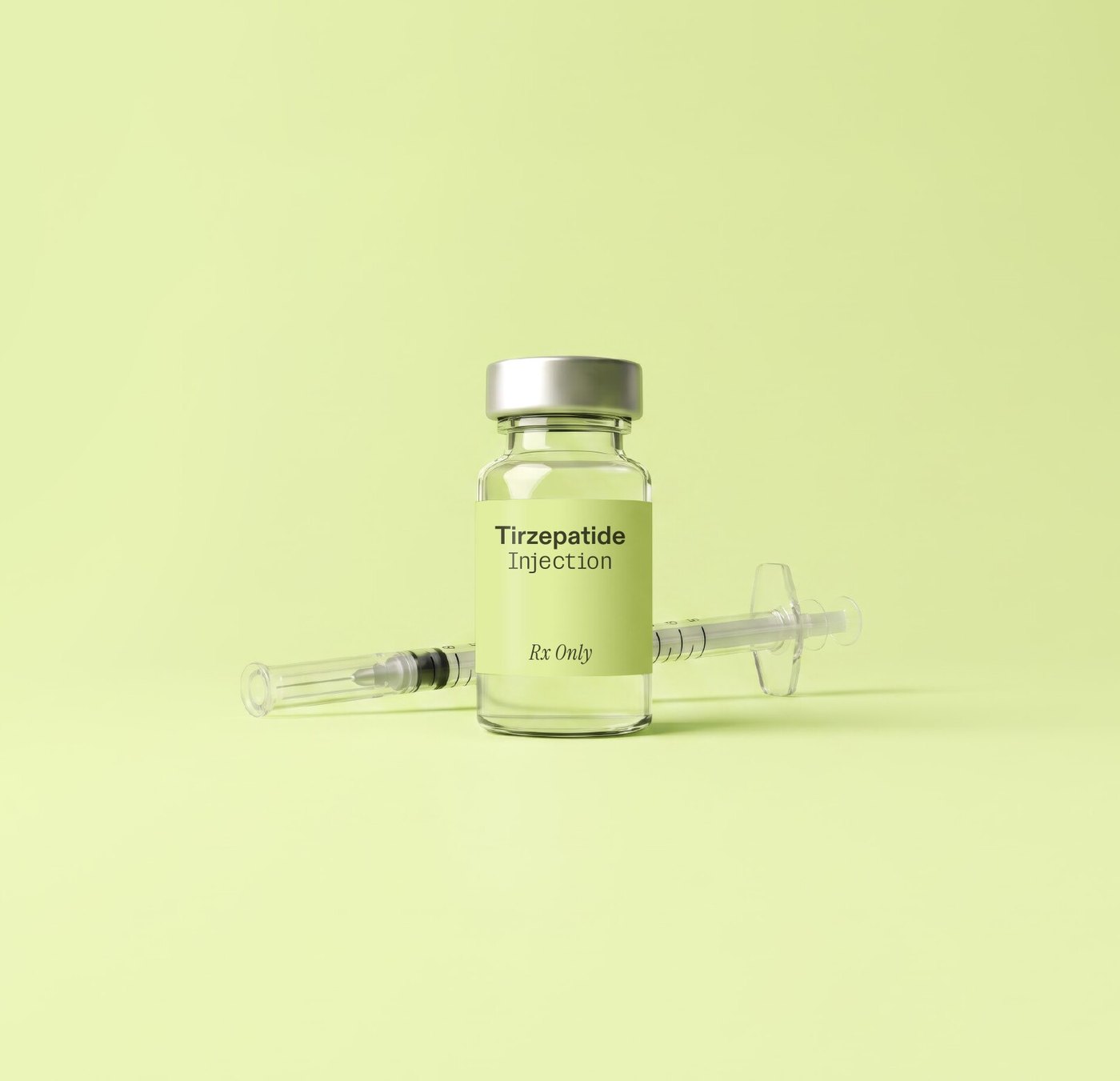
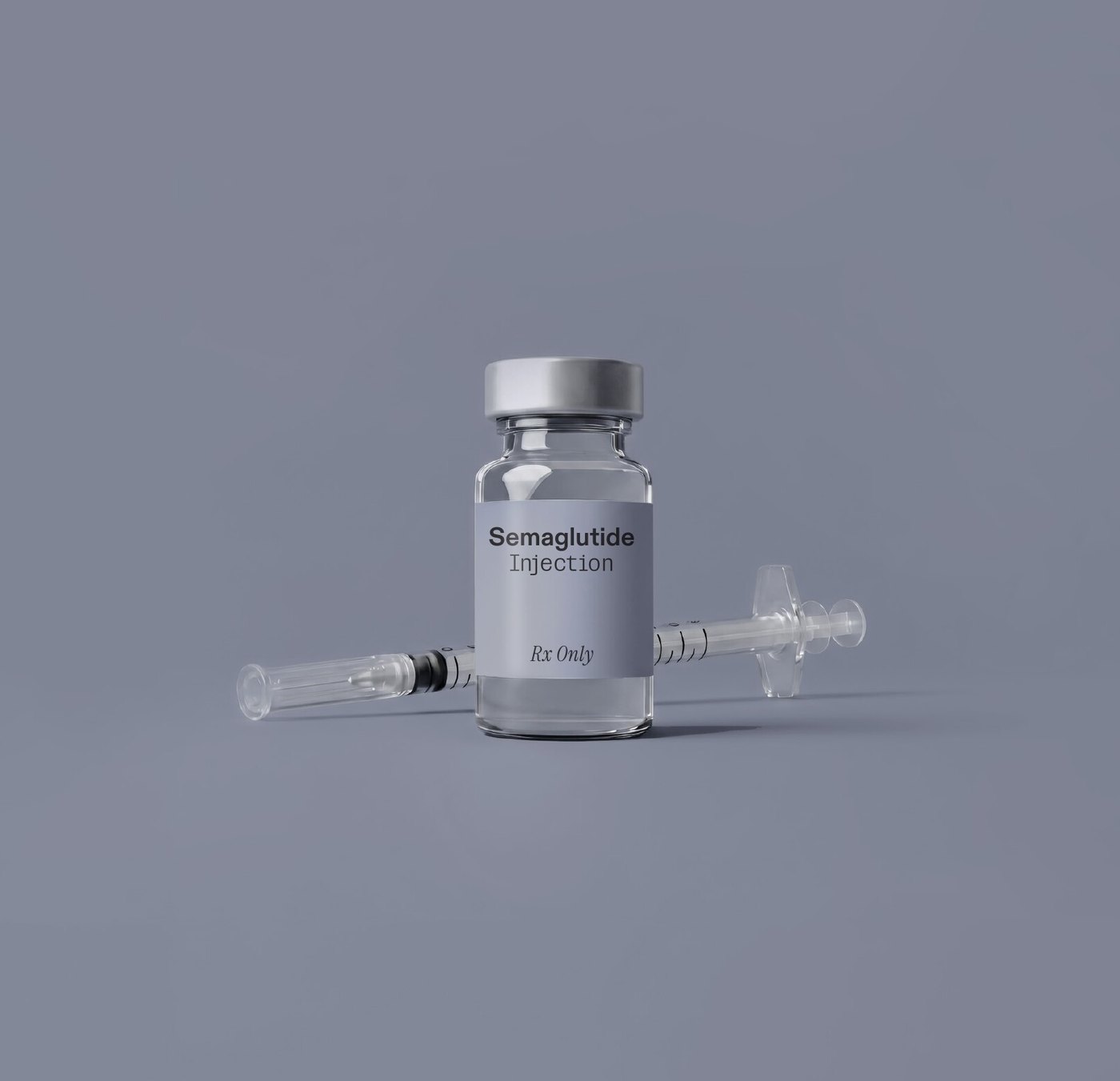
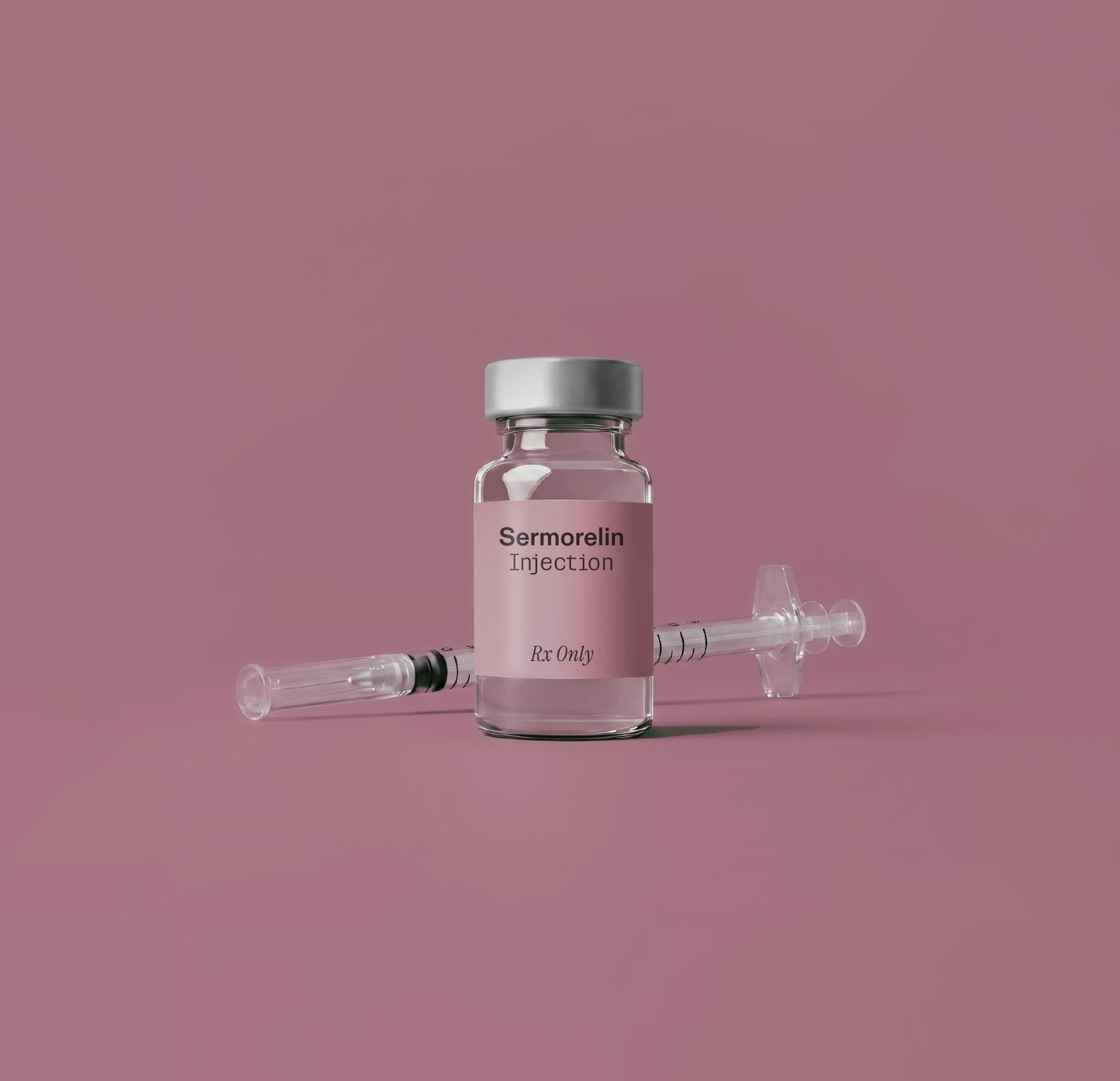
Stylized vial shown for marketing purposes only; image does not represent the actual prescription vial label or size. Compounded products are not FDA-approved or evaluated by the FDA for safety, efficacy, or quality.
Supports recovery and healthy tissue function to help your body keep up with an active lifestyle.
BPC-157 and TB-500 combine two peptides associated with biological pathways involved in tissue response, cellular activity, and the body’s natural recovery processes.
| Supply | Total | Per month |
|---|---|---|
| 1 Month · 28-day supply | $220 | $220/mo |
| 3 Month · 84-day supply | $595 | $198/mo Save 10% |
| 6 Month · 168-day supply Best Value | $1,080 | $180/mo Save 18% |
Possible side effects may include mild redness, swelling, or discomfort at the injection site. Allergic or immune reactions may also occur, and individual responses can vary.
Supports biological pathways associated with your body’s natural response to physical stress and recovery.

Supports biological processes associated with maintaining healthy tissue function through periods of physical demand.

Designed to complement a recovery-focused approach that helps you stay active and maintain everyday movement.

Supports biological pathways involved in cellular activity and the body’s natural response to physical stress.
Tell us about your health, lifestyle, and what you want to achieve.
Take The AssessmentA licensed provider reviews your answers and decides whether treatment is appropriate for you. If it is, they write the protocol that fits.
Find Out If I Am EligibleYour prescription is compounded by a 503A-licensed U.S. pharmacy and shipped cold-packed to your door, with everything you need to start.
Get StartedMessage your care team whenever you need to. We check in as you go and adjust your protocol if your body or your goals change.
Get Started
Peptides are short chains of amino acids — the same building blocks that make up proteins — joined by peptide bonds. Biochemists generally use a length of roughly 2 to 50 amino acids to separate a peptide from a protein.
Your body makes them constantly. Insulin is a 51-amino-acid peptide hormone. Oxytocin and vasopressin are nine amino acids each. GLP-1 — the gut hormone that semaglutide and tirzepatide are modeled on — is a naturally occurring peptide too.
That is the useful thing about them: peptides are signals, so a peptide therapy is designed to work through a pathway your body already uses rather than override it.
Source: NIH StatPearls — Biochemistry, Peptide, NHGRI — Peptide
Prescription peptide therapy is for adults who have been evaluated by a licensed provider. It is not a self-directed product, and it is not right for everyone.
FDA-approved GLP-1 medications are indicated for adults with a BMI of 30 or higher, or 27 or higher alongside a weight-related health condition. They are contraindicated for anyone with a personal or family history of medullary thyroid carcinoma or Multiple Endocrine Neoplasia syndrome type 2, and are not recommended during pregnancy or breastfeeding. In rodent studies these medications caused thyroid C-cell tumors; whether that happens in humans is unknown, which is why that contraindication exists.
Every therapy has its own considerations. That is what the assessment is for — a licensed physician reviews your history and decides what, if anything, is appropriate.
Four steps. You complete a free online assessment covering your health history, current medications and goals. A licensed physician reviews it and determines whether treatment is appropriate. If it is, your prescription is filled by a 503A-licensed U.S. compounding pharmacy and shipped cold-packed to your door. You keep access to your care team for check-ins and questions.
We want to be straightforward about one thing: compounded medications are not FDA-approved. FDA does not review compounded drugs for safety, effectiveness or quality before they are marketed, and its position is that they should be used by patients whose medical needs cannot be met by an FDA-approved drug. Your provider will go through this with you before anything is prescribed.
Source: FDA — Compounding and the FDA: Questions and Answers
No. Rūl is cash-pay. There is no membership fee, and no insurance is required.
Insurance coverage for compounded medications is inconsistent at best — it depends entirely on your plan, usually turns on medical necessity, and is often denied when an FDA-approved alternative is commercially available. Medicare Part D covers compounded drugs only in narrow circumstances. Most patients pay out of pocket, which is why our pricing is published in full: a $30 provider fee and $35 shipping per order, with no hidden costs.
All fifty. Rūl is available in every U.S. state.
Availability is not the same as eligibility — whether a specific therapy is right for you is determined by your assessment and your provider's clinical judgment, and not every therapy is offered to every patient.
GLP-1 receptor agonists mimic glucagon-like peptide-1, a hormone your gut releases when you eat. Activating that receptor does four things at once: it prompts the pancreas to release insulin in response to food, blocks glucagon so the liver stops dumping stored glucose, slows how quickly food leaves the stomach, and acts on the areas of the brain that process hunger and fullness.
The practical effect is that you feel full sooner, stay full longer, and eat less without white-knuckling it. Tirzepatide adds a second receptor — GIP — alongside GLP-1.
In STEP 1, the pivotal semaglutide trial published in the New England Journal of Medicine in 2021, 1,961 adults with obesity or overweight took semaglutide 2.4 mg or placebo for 68 weeks. Mean weight change was −14.9% on semaglutide versus −2.4% on placebo. Half the semaglutide group lost 15% or more of their body weight.
In SURMOUNT-1, the pivotal tirzepatide trial published in NEJM in 2022, 2,539 adults took 5, 10 or 15 mg for 72 weeks. Mean weight change was −15.0%, −19.5% and −20.9% respectively, versus −3.1% on placebo. At 15 mg, 63% of participants lost 20% or more.
Two caveats that matter. These were separate trials, not a head-to-head comparison, so the percentages are not directly comparable. And they studied the FDA-approved branded medications at approved doses, with trial-level clinical supervision and lifestyle support — they are not a promise of what a compounded version will do for any individual.
Source: NEJM — STEP 1 (Wilding et al., 2021), NEJM — SURMOUNT-1 (Jastreboff et al., 2022)
Most are gastrointestinal and most improve as your body adjusts. In the Wegovy label, the reactions reported in 5% or more of patients were nausea (44%), diarrhea (30%), vomiting (24%), constipation (24%), abdominal pain (20%), headache (14%) and fatigue (11%). Tirzepatide's trial data follows the same pattern at somewhat lower rates.
Both medications carry a boxed warning: in rodent studies they caused dose- and duration-dependent thyroid C-cell tumors. It is unknown whether this occurs in humans. They are contraindicated for anyone with a personal or family history of medullary thyroid carcinoma or MEN 2.
Tell your provider about any severe or persistent abdominal pain, which can signal pancreatitis, and about vision changes, gallbladder symptoms or signs of dehydration.
Longer than most people expect, and the trial data is unusually clear about why. STEP 4, published in JAMA in 2021, took 803 people through a 20-week run-in on semaglutide and then randomized them: those who continued lost a further 7.9% of body weight by week 68, while those switched to placebo regained 6.9% over the same period — a 14.8-percentage-point swing.
In other words, these medications maintain weight loss while you take them, and stopping is associated with regain. There is no fixed course length established by trial evidence; how long you stay on treatment is a clinical decision you make with your provider, not a protocol.
No, and we would rather say that plainly than let you assume otherwise. Compounded medications are not FDA-approved. FDA does not review them for safety, effectiveness or quality before they reach patients, and it has not found compounded semaglutide to be equivalent to the branded products.
FDA has publicly documented problems with compounded GLP-1 products sold elsewhere in the market, including unapproved salt forms such as semaglutide sodium, untested additive combinations, and dosing errors from patients self-measuring out of multi-dose vials. As of May 2026 it had logged 990 adverse-event reports for compounded semaglutide.
It is also a moving regulatory target: the FDA shortages that broadly permitted compounding of these molecules ended in December 2024 and February 2025, and in April 2026 FDA proposed permanently excluding semaglutide, tirzepatide and liraglutide from bulk compounding. Any compounded GLP-1 prescribed through Rūl is prescribed by a licensed physician on a patient-specific basis, and your provider will discuss the FDA-approved alternatives with you.
Source: FDA — FDA's Concerns with Unapproved GLP-1 Drugs Used for Weight Loss
NAD+ — nicotinamide adenine dinucleotide — is a coenzyme present in every cell you have. It is the carrier that makes redox reactions work, which means it sits at the centre of how your cells turn food into ATP through glycolysis, the TCA cycle and oxidative phosphorylation.
It is also the required substrate for two protein families that get a lot of attention in aging research: sirtuins, which regulate metabolic and stress responses, and PARPs, which are involved in DNA damage repair.
NAD+ levels are widely reported to decline with age. That finding is well established in the literature but not entirely uncontested — some reviews question how consistently it holds across tissue types and study designs.
Source: npj Aging — NAD+ and sirtuins in aging and longevity control
Honestly: nobody has shown that yet in humans, and we are not going to tell you otherwise.
The most instructive data comes from the National Institute on Aging. In aging mice given nicotinamide, an NAD+ precursor, researchers saw improved glucose metabolism, reduced fatty liver markers, better age-adjusted physical performance and less oxidative stress — but no increase in lifespan. Health markers improved; longevity did not. NIA has since run a dedicated workshop on whether human trials of raising NAD+ in older adults are even feasible, which tells you where the field is.
What is well established is NAD+'s role as a coenzyme in cellular energy metabolism. That is the basis on which it is offered here — not a claim that it slows, stops or reverses aging.
GHK-Cu is a copper-binding tripeptide — glycyl-L-histidyl-L-lysine bound to copper — that occurs naturally in human plasma and declines with age.
The research literature describes it activating tissue-remodeling processes: attracting repair and immune cells, acting as an anti-inflammatory, and stimulating fibroblasts to produce collagen and elastin. Controlled studies on aged and photoaged skin have reported improvements in firmness and elasticity and reductions in the appearance of fine lines and photodamage.
The important caveat: that evidence is strongest for topical use. Data on injectable or systemic GHK-Cu is thinner and largely mechanistic, and much of the foundational review literature comes from researchers with commercial interests in copper peptides. Treat topical findings as topical findings.
Source: PubMed — The human tri-peptide GHK and tissue remodeling (Pickart, 2008)
Sermorelin is a synthetic analog of growth hormone-releasing hormone — specifically GHRH(1-29). Rather than supplying growth hormone directly, it signals your pituitary gland to produce and release more of your own. That distinction matters: it is a secretagogue, not exogenous HGH.
It has a regulatory history worth knowing. Sermorelin was FDA-approved in 1997 under the brand name Geref for growth hormone deficiency. The manufacturer discontinued it in 2008, and FDA determined in 2013 that the withdrawal was for manufacturing and business reasons, not because of safety or effectiveness problems.
But no FDA-approved sermorelin product exists on the U.S. market today. Sermorelin prescribed now — here or anywhere else — is a compounded, non-FDA-approved medication.
Safety depends entirely on which peptide, at what dose, from what source, under whose supervision. Peptides prescribed and monitored by a licensed physician and filled by a 503A-licensed U.S. pharmacy sit in a very different place than peptides bought online labeled “for research use only.” That label is a workaround, not an approval, and those products are not made to pharmaceutical standards.
The regulatory picture is genuinely in motion. In 2023 FDA placed BPC-157 on its Category 2 list of bulk substances that may present significant safety risks for compounding. It removed BPC-157 from that list in April 2026, and in July 2026 its Pharmacy Compounding Advisory Committee voted to recommend adding BPC-157, TB-500, MOTS-c, KPV, Semax and Epitalon to Category 1 for specific indications.
That vote is a recommendation, not a rule. Formal rulemaking has not been completed, and none of these peptides are FDA-approved drugs. We will keep this page current as the process moves, and your provider will tell you exactly where any therapy you are considering stands.
Source: FDA — Bulk Drug Substances Used in Compounding Under Section 503A, NPR — FDA advisers vote to ease peptide restrictions, despite agency concerns

Explore personalized weight loss treatments, plans, and advice.
Get Started
Explore cellular energy, skin, and healthy-aging protocols.
Get Started
Explore recovery, tissue support, and performance protocols.
Get Started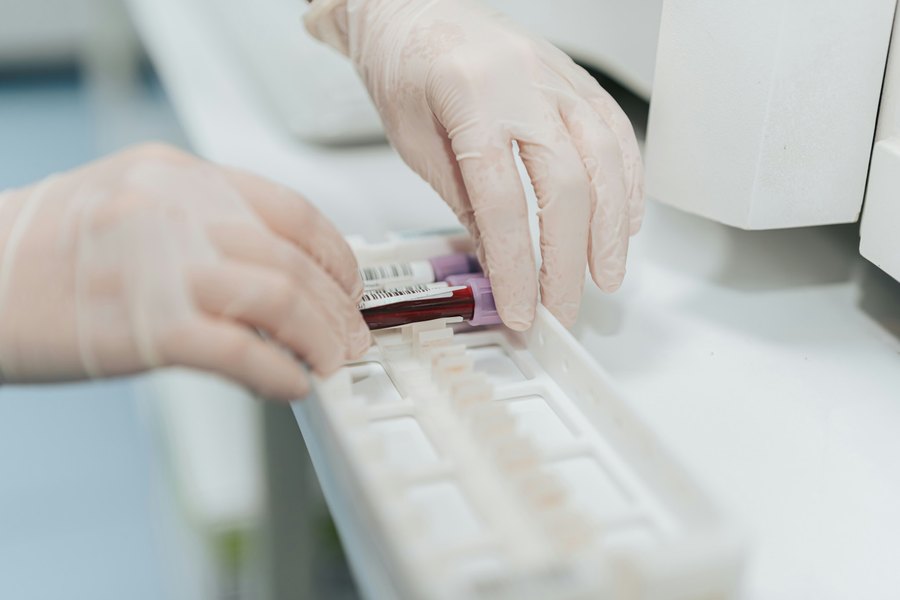
Explore lab panels and provider-reviewed treatment plans.
Get Started
Take the assessment and our clinical team will reach out to finalize your protocol. Prescription-only, provider-reviewed, U.S. compounded.
Get Started